
So-Brite
Can Landscape Lights Increase Property Value?
Jul
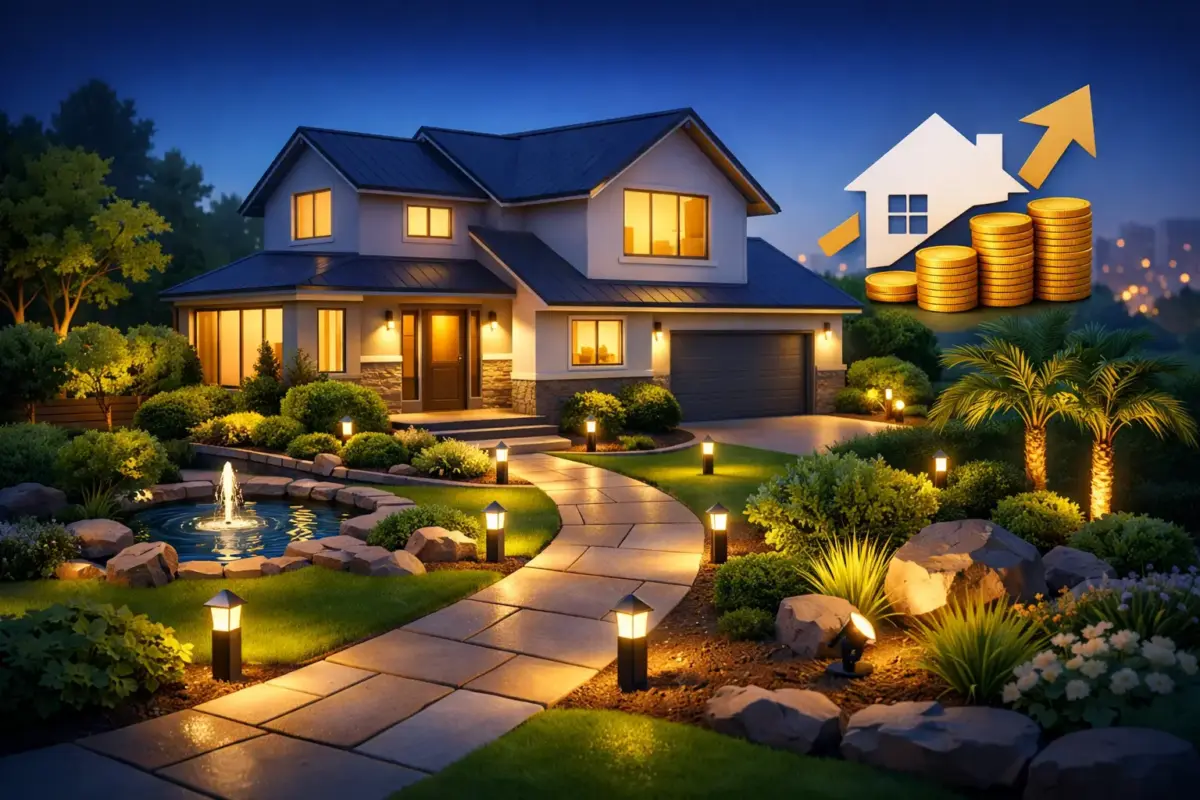
A buyer pulls up after sunset, and the home still shows well. The entry is clear, the architecture has depth, the walkway feels safe, and the yard looks finished instead of fading into darkness. That moment is why people ask, can landscape lights increase property value? In many cases, yes – but not simply because lights were added. Value comes from how well the system supports curb appeal, safety, usability, and the overall perceived quality of the property.
For contractors and lighting professionals, that distinction matters. Homeowners do not just buy fixtures. They buy a better-looking property, a stronger first impression, and an upgrade that feels useful every night of the year. If you are building or expanding a landscape lighting offering, the real opportunity is not selling illumination as decoration. It is positioning lighting as a practical exterior improvement with visible return.
Can landscape lights increase property value in real terms?
The short answer is yes, but usually as part of a broader package of exterior appeal rather than a stand-alone line item on an appraisal. Landscape lighting rarely adds value the same way an extra bathroom or square footage does. Instead, it influences perceived value. That can still matter a great deal.
Buyers respond to homes that look cared for and complete. Well-designed outdoor lighting makes architecture more visible, highlights mature landscaping, and improves the look of outdoor living areas after dark. It can also reduce one of the most common weak spots in residential presentation – a great daytime exterior that disappears at night.
In stronger real estate markets, that visual edge can help a home stand out. In more competitive or slower markets, it can make a property feel more move-in ready. Either way, lighting supports the presentation of the asset.
That said, value is not automatic. Poor fixture placement, cheap materials, harsh color temperature, or visible wiring can make a property feel overdone or low quality. The same category that can elevate a home can also hurt the look if it is handled poorly.
Why outdoor lighting influences buyer perception
Most homeowners think first about curb appeal, and that is fair. Landscape lighting extends curb appeal beyond daylight hours. It adds contrast, dimension, and visual order to the front elevation, pathways, and planting beds.
But the bigger driver is confidence. Buyers notice when a property feels safer and easier to use. A lit pathway, visible entry steps, and balanced illumination around the perimeter signal that the home has been improved with intention. That affects emotion, and emotion affects offers.
There is also a quality cue at work. Premium outdoor lighting suggests the owner invested in the property beyond the basics. It can put exterior lighting in the same category as upgraded hardscaping, irrigation, or a well-designed outdoor kitchen – not always essential, but often associated with a higher-end finish.
For installers, this is where the sales conversation gets stronger. The value is not just brightness. It is the perception of care, usability, and permanence.
What kind of lighting adds value – and what does not
Not all landscape lighting contributes equally. Systems that increase perceived property value usually share three traits: they are intentional, durable, and visually balanced.
Path lighting tends to perform well because the benefit is immediate. It improves safety and guides movement. Accent lighting on trees, architectural columns, stonework, or facade features can add significant visual depth when it is restrained and well aimed. Lighting around patios, pool zones, and outdoor entertaining spaces also supports value because it expands usable living area after sunset.
On the other hand, random fixture placement, excessive brightness, or a patchwork of mismatched products can make a home feel cluttered. Blue-white LEDs often look harsh on residential properties. So do systems with obvious hot spots, glare, or exposed hardware.
This is where product quality has a direct business impact. Contractors who use weatherproof, professional-grade fixtures with stable color performance and dependable controls are better positioned to deliver an end result that looks premium over time. Cheap systems may win a bid, but they often lose the long game through callbacks, failures, and fading customer confidence.
The strongest value drivers for homeowners
When homeowners ask whether lighting is worth the investment, they are really weighing three outcomes: appearance, functionality, and resale confidence.
Appearance is the first win. A home with thoughtful lighting looks more polished and more expensive. Even modest properties can feel elevated when the lighting design brings attention to shape, texture, and focal points.
Functionality is often the reason the upgrade feels justified. Lighting helps people use driveways, walkways, patios, and entries more comfortably. It makes outdoor living areas more practical in the evening, which is especially important in warm-weather markets where nighttime use is common.
Resale confidence is the third piece. Homeowners may not recover every dollar directly, but they often see lighting as a feature that supports marketability. It helps the property photograph better, show better, and leave a stronger impression.
For dealers and installers, those are sellable outcomes because they are visible. You are not asking the customer to trust an abstract benefit. You are showing them what changes the moment the system turns on.
It depends on the neighborhood and price point
This is where nuance matters. A premium lighting package will not deliver the same return in every setting.
In upscale neighborhoods, buyers tend to expect a more finished exterior presentation. Professional landscape lighting may align naturally with the rest of the property and help maintain positioning against comparable homes. In those cases, lighting can support perceived value more strongly because it matches buyer expectations.
In mid-market neighborhoods, the return often comes through differentiation. A home that looks better at night and feels more secure may stand out from similar listings nearby. The increase in value may be less about raising the ceiling and more about improving desirability.
At lower price points, the homeowner may need a more focused approach. A clean front-yard lighting plan, path lighting, and subtle architectural accents often make more sense than a large, feature-heavy system. The goal is to improve the look of the property without overbuilding for the market.
That is an important point for contractors. The best proposal is not always the biggest one. It is the one that fits the home, the neighborhood, and the customer’s reason for buying.
Design and installation quality make the difference
If you want lighting to support property value, design discipline matters as much as product choice.
The most effective systems create layers. They guide movement, reveal key features, and maintain visual balance from the street. They do not blast every tree, flood every wall, or create glare at eye level. Good lighting leaves some darkness in place so the home has shape and contrast.
Installation quality matters just as much. Fixtures should be positioned cleanly, wiring should be concealed, and controls should be easy for the homeowner to manage. A premium lighting system that is frustrating to operate or visibly sloppy in the landscape will not feel like a premium improvement.
This is one reason dealer-focused sourcing matters. A supplier relationship that gives contractors dependable products across landscape lights, pathway lights, controllers, power components, and accessories makes it easier to build complete systems without quality gaps. That consistency helps protect both margins and reputation.
Can landscape lights increase property value enough to justify the project?
For many homeowners, yes – especially when the project is framed correctly. The justification usually comes from a mix of daily enjoyment and resale support rather than a guaranteed one-to-one financial return.
A homeowner who uses the front yard, backyard, or outdoor entertaining areas regularly may see strong lifestyle value right away. If the property also gains curb appeal and feels more market-ready in the future, the investment becomes easier to defend.
From a contractor’s perspective, this is why landscape lighting can be such a strong service category. It solves visible problems, creates emotional impact, and gives customers a result they can appreciate immediately. It also opens the door to upsells, referrals, seasonal adjustments, and broader exterior lighting packages.
In markets like Phoenix and surrounding communities, where outdoor living remains active well into the evening, the practical value of exterior lighting can be even more obvious. A patio, pathway, or front elevation that performs after dark is not a niche luxury there. It is part of how the property gets used.
The better business takeaway for lighting professionals
If you are selling on the promise that lights automatically raise appraisal numbers, you are setting the wrong expectation. If you are selling a complete exterior improvement that strengthens curb appeal, nighttime usability, safety, and perceived quality, you are on much firmer ground.
That is the stronger message for your sales process and for the long-term growth of your business. Customers respond to outcomes they can see. Professional-grade products, thoughtful design, and reliable installation are what turn landscape lighting from an optional add-on into a value-supporting upgrade.
The homes that stand out after dark usually do not have more fixtures. They have better lighting choices. That is where real opportunity lives for contractors ready to expand their offering and increase revenue.
