
So-Brite
A Guide to Permanent LED Systems
May
A homeowner asks for holiday lights that stay up year-round. A property manager wants clean roofline lighting without seasonal labor. A landscape client wants one app to run pathways, wall washers, and accent lighting. That is where a guide to permanent LED systems stops being a product overview and starts becoming a real business decision.
For installers and dealers, permanent LED systems are not just another add-on category. They can become a high-margin service line that creates recurring referrals, better project sizes, and stronger customer retention. But only if the system behind the sale is built for outdoor performance, easy installation, and dependable sourcing. Cheap components and fragmented purchasing can turn a profitable job into a callback problem fast.
What a guide to permanent LED systems should actually cover
Most conversations around permanent lighting start with color options and holiday scenes. That is only part of the picture. A professional-grade system has to perform in weather, install cleanly on different structures, and support year-round use across residential and commercial properties.
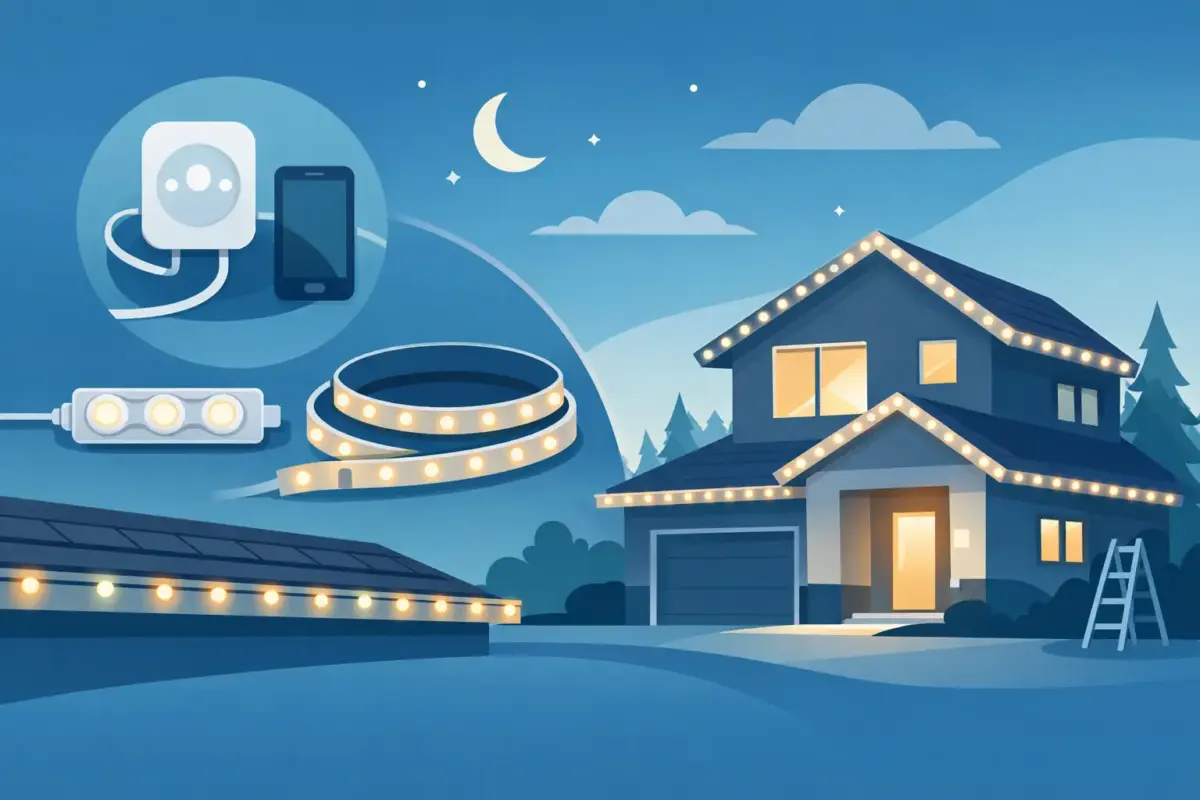
A strong permanent LED system usually includes low-profile eave or soffit-mounted lighting, compatible controllers, power supplies, extension cables, connectors, and app-based controls. In many jobs, it also expands beyond rooflines into landscape lighting, pathway fixtures, wall washers, and accent products that can be controlled together. That broader system approach matters because customers increasingly want one lighting solution, not five disconnected ones.
For a dealer or contractor, the right guide is less about what looks good in a demo and more about what holds up after 12 months outdoors. UV exposure, moisture, temperature swings, and installation complexity all affect labor, reputation, and margin.
Why permanent LED systems are growing so fast
The demand is easy to understand. Property owners want the flexibility to celebrate holidays, support game days, highlight architecture, improve curb appeal, and add daily security lighting without hanging temporary products every season. HOA-friendly profiles and discreet daytime appearance make the category even more appealing.
For businesses, the appeal goes further. Permanent LED systems create a service that feels premium, visual, and easy to demonstrate. Customers can see the value immediately. They also tend to talk about it. A well-installed roofline system or coordinated landscape lighting package becomes a neighborhood referral engine, especially during peak holiday months.
There is also a practical revenue advantage. Many contractors already have the ladders, crews, and customer base to sell exterior lighting. Adding permanent systems lets them expand their offering and increase revenue without reinventing the business. The key is choosing a product line and supply partner that make scaling possible rather than complicated.
How to evaluate permanent LED system components
Not every system deserves the word permanent. If you are building this category into your business, the hardware needs to support repeatable installations and long-term outdoor use.
Profile and appearance
The daytime look matters more than many new dealers expect. Homeowners and commercial clients want lighting that blends into the eave, soffit, or trim line rather than calling attention to itself. Low-profile designs help close sales because they answer one of the most common objections before it becomes a problem.
The mounting method matters too. Systems that install cleanly and consistently across different rooflines help crews work faster and reduce visual inconsistencies from home to home.
Control and customization
App control is no longer a luxury feature. Customers expect to change colors, run schedules, and select patterns from a phone. For commercial accounts, scheduling and zone management can be a major selling point. For residential buyers, ease of use often determines whether they love the system or ignore it after installation.
That said, more features are not always better. If the app is unreliable or difficult to train on, the extra capability becomes a support issue. Installers should prioritize stable controls and straightforward setup over feature overload.
Power and connectivity
Controllers and power boxes are where many system problems start. Voltage drop, inconsistent runs, poor weather sealing, and weak connectors can create frustrating issues that are hard to diagnose after installation. A complete system with matching accessories is usually a better business decision than piecing together parts from multiple vendors.
That is especially true when crews need extension cables, caps, connectors, and replacement parts quickly. One-stop sourcing reduces downtime and protects job schedules.
Durability in real conditions
Outdoor ratings, weather resistance, and material quality matter because the system is exposed every day, not just in December. Moisture intrusion, sun exposure, and freeze-thaw cycles will test every weak point. A lower upfront cost often becomes more expensive if the installer is paying for callbacks, replacements, and reputation damage.
A practical guide to permanent LED systems for dealers
If you want this category to grow, think beyond product selection. The business model around the system matters just as much.
Start with installation efficiency. The best permanent LED systems are not only durable for the customer, they are predictable for the crew. When products are easy to stage, mount, power, and program, your team can complete more jobs with fewer surprises. That improves margin immediately.
Next, look at product breadth. Dealers who can offer roofline lighting, landscape fixtures, wall washing, pathway lighting, strip lighting, and café lighting from one supplier have a major advantage. They can build larger packages, maintain visual consistency, and avoid the hassle of managing separate supply chains. This also gives the sales team more room to upsell without introducing a new vendor or learning a new system.
Support is another factor that separates a side hustle from a scalable service line. If you are growing a lighting business, you need dependable product availability, clear specs, and a partner that understands dealer economics. Premium products matter, but so does the ability to quote confidently and fulfill work without chasing parts from three different sources.
Where installers make money – and where they lose it
The strongest margins usually come from packages, not single-product sales. A roofline system can open the door, but the bigger opportunity often includes landscape accents, pathway lighting, or wall washers that complete the property. Customers respond well when the design feels intentional and controlled from one platform.
The biggest margin killers are usually labor inefficiency, callbacks, and inconsistent sourcing. If one system takes too long to install, if app setup becomes a training headache, or if replacement parts are slow to arrive, profit gets squeezed quickly. This is why product standardization is so valuable. The more your team can repeat a proven installation process, the easier it becomes to scale.
There is also a sales trade-off to manage. Some customers are shopping on price alone. Others are buying long-term value, appearance, and reliability. Permanent LED systems are typically a premium service. Trying to win every deal by racing to the bottom can weaken your positioning and attract the wrong expectations. Strong dealers sell the value of clean installation, better controls, durable components, and year-round use.
Residential and commercial opportunities are not identical
Residential projects often sell on emotion, curb appeal, convenience, and seasonal flexibility. Homeowners want a clean look during the day and impressive color at night. They also want something simple enough for the family to use without calling the installer every few weeks.
Commercial projects often involve different priorities. Scheduling, zone control, durability, and consistent appearance across a larger building can matter more than novelty patterns. Property managers and business owners may also care more about reducing seasonal installation labor and maintaining a polished exterior year-round.
The sales process should reflect those differences. The same system category can solve different problems depending on the account.
Choosing a supplier for long-term growth
A permanent lighting category is only as scalable as the supply model behind it. Dealers do better when they can source premium hardware, accessories, and expansion products from one place instead of patching together every job.
This is where a dealer-focused supplier can make a real difference. A company like So-Brite is built around empowering dealers with premium permanent exterior lighting, compatible accessories, and a broader catalog that supports both holiday and landscape applications. That kind of sourcing model helps contractors expand faster because it removes friction from quoting, purchasing, and installation.
The right supplier should help you protect three things at once: product quality, operational simplicity, and margin. If one of those breaks down, growth gets harder than it needs to be.
Permanent LED systems are not a trend to test casually. For the right installer, they are a serious revenue category with year-round potential. Choose systems that look clean, install efficiently, perform outdoors, and fit into a broader product strategy. When the hardware and supply chain support your business, every project has a better chance to become the next referral.
