
So-Brite
9 HOA Friendly Exterior Lighting Ideas
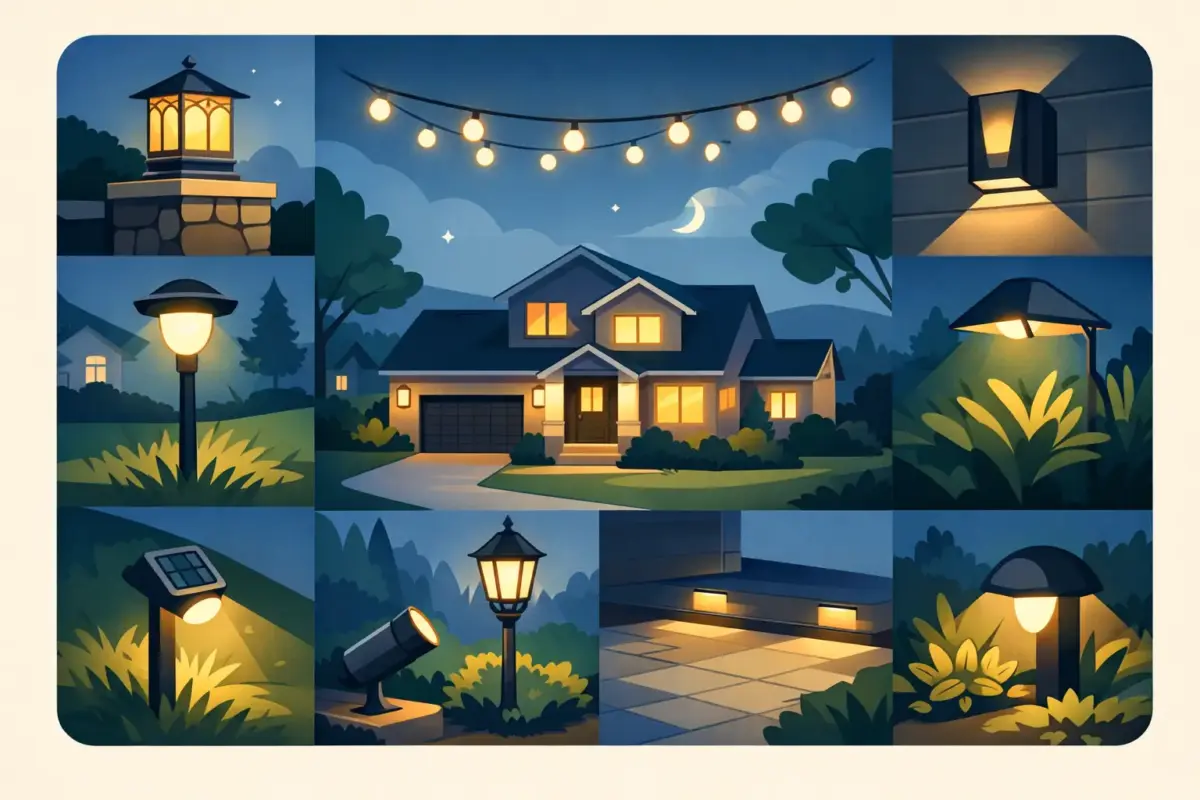
May
One of the fastest ways to lose a homeowner’s confidence is to pitch a lighting design that looks great in a demo but triggers pushback from the HOA. That is why HOA friendly exterior lighting ideas matter so much for installers, landscape pros, and dealers trying to build repeatable revenue. The right system has to look clean in daylight, stay controlled at night, and give the homeowner enough flexibility to enjoy the upgrade without creating a compliance headache.
For contractors, this is not just a design question. It is a sales and operations question. If you can offer lighting that feels premium, performs year-round, and fits the aesthetic standards most HOAs care about, you remove friction from the buying decision. You also put yourself in a stronger position to upsell maintenance, controls, seasonal scenes, and future phases of the project.
What makes exterior lighting HOA-friendly
Most HOAs are not anti-lighting. They are anti-glare, anti-clutter, and anti-anything that makes one home look out of step with the neighborhood. In practice, that usually means fixtures should be discreet, wiring should stay hidden, light output should feel intentional, and color use should stay tasteful unless seasonal allowances are clearly permitted.
That creates a clear opportunity for professional installers. Homeowners want security, curb appeal, and year-round usability. HOAs want visual consistency. A well-planned LED system can satisfy both, especially when you prioritize low-profile hardware, warm-white everyday settings, smart controls, and lighting zones that are easy to manage.
HOA friendly exterior lighting ideas that sell well
1. Low-profile eave lighting that disappears in daylight
Permanent eave lighting is one of the strongest answers to HOA concerns because the best systems are barely noticeable when they are off. Installed under soffits or along rooflines, these fixtures maintain the clean architecture of the home while delivering a polished effect after dark.
For everyday use, warm white or soft white scenes typically land best with HOAs and homeowners alike. The sales advantage is obvious. You are not just selling holiday lighting. You are offering a permanent architectural lighting system that can shift into seasonal color when appropriate and return to a refined year-round look the rest of the time.
2. Pathway lighting with tight beam control
Path lights are a reliable option in HOA communities because they solve a practical need without drawing too much attention. They improve safety, define walkways, and add depth to the front yard, but only when the beam spread and fixture height are selected carefully.
The mistake is oversaturating the path with bright fixtures spaced too closely together. A better approach is measured placement and softer output. That creates an upscale look and reduces the glare complaints that often trigger HOA concern.
3. Wall washing for texture, not drama
Wall washers can be HOA-friendly when used with restraint. On stone, brick, stucco, or other textured facades, a soft wash adds dimension and curb appeal without looking theatrical. The key is subtlety. If the lighting reads as clean and architectural, it tends to be accepted. If it reads like a commercial display, it becomes a problem.
This is where professional-grade LED systems stand apart. Better optics and better control let you create even coverage with less spill. That means a more premium result and fewer callback issues.
4. Uplighting on select landscape features
Trees, specimen plants, and entry landscaping can carry a lighting design without requiring visible fixtures across the entire front elevation. Selective uplighting works well in HOA neighborhoods because it keeps the visual effect grounded in the landscape rather than turning the house into a bright focal point.
There is a business upside here too. Landscape lighting is easy to phase. A homeowner might start with the front walk and entry bed, then expand later to trees, backyard entertaining areas, or perimeter accents. That gives installers a natural path to grow ticket size over time.
How to keep HOA friendly exterior lighting ideas compliant
Compliance starts before installation. Experienced contractors know that many HOA documents are vague, and enforcement can vary by neighborhood. Some communities care mostly about visible hardware. Others care more about color, brightness, operating hours, or whether the system looks permanent from the street.
The smart move is to design around the most common standards even before formal approval is discussed. Keep fixtures concealed where possible. Use warm-white scenes as the default. Avoid oversized bulbs or exposed cords. Show the homeowner renderings or examples that feel polished rather than flashy. When the system looks integrated into the home, approval gets easier.
It also helps to position the lighting in the language homeowners can use with their board. Architectural accent lighting, pathway illumination, and safety-focused entry lighting tend to be easier to defend than anything described as decorative spectacle. The same hardware can do both, but the presentation matters.
Use controls to reduce risk
Smart controls are one of the most valuable tools in HOA-sensitive projects. Timers, dimming, zoning, and app-based scene management let homeowners keep the system within a comfortable range without needing a service call every time they want an adjustment.
From a contractor standpoint, controls also support better customer satisfaction. You can preset compliant everyday scenes, create holiday or event modes, and establish shutoff schedules that reduce complaints. That level of control turns a lighting package from a one-time install into a more complete premium solution.
Prioritize fixture finish and installation cleanliness
A surprising amount of HOA friction comes from what the system looks like during the day. Even excellent nighttime output will not save a project if the hardware appears bulky, mismatched, or loosely installed.
That is why finish options, cable management, mounting methods, and weatherproof accessories matter. Clean runs, hidden components, and fixtures that blend with soffits, trim, or landscape features all contribute to the HOA-friendly result homeowners are really paying for. This is one reason many dealers prefer a supplier with a complete product ecosystem rather than piecing together parts from multiple sources.
The best lighting categories for HOA neighborhoods
Not every product category performs equally well in HOA communities. In most cases, the strongest fit comes from systems that offer permanent value without creating a temporary or novelty appearance.
Permanent house lights, soffit lights, path lights, wall washers, and landscape uplights are usually the safest core categories. Café lights and bulb string lights can work in backyards or enclosed outdoor living areas, but front-facing use depends heavily on the neighborhood. Strip lighting can be effective under rails or in hidden architectural details, though exposed installations are more likely to raise questions.
For dealers looking to expand their offering, this matters. The goal is not just to sell more products. It is to build a package mix that closes faster and creates fewer obstacles. The more your catalog supports HOA-conscious design, the easier it becomes to serve higher-value residential communities with confidence.
Selling the year-round value instead of the holiday angle
One reason HOA friendly projects convert better is that they are easier to frame as permanent home improvement. Homeowners may first ask about holiday lighting, but the strongest close often comes when you shift the conversation to everyday curb appeal, entry safety, and landscape enhancement.
That repositioning changes the economics of the sale. Instead of competing with temporary seasonal options, you are offering a durable LED system with app control, energy efficiency, and multi-season flexibility. It is a better value story and a stronger margin story.
For growth-minded installers, this is where opportunity opens up. The neighborhoods with stricter appearance standards are often the same neighborhoods with larger homes, stronger referral potential, and homeowners willing to invest in premium exterior upgrades. If your product line supports discreet design, dependable performance, and clean installation, HOA requirements stop being a barrier and start becoming a qualifier.
A supplier partner that understands that difference can help you move faster. At So-Brite, the advantage is not just product breadth. It is the ability to source professional exterior lighting systems built for clean installs, controlled output, and year-round use across residential applications where appearance and reliability both matter.
The best HOA-friendly lighting projects do not try to get away with more. They prove that less glare, less visual clutter, and better control can still deliver a standout result. When you sell that well, you are not just winning a project. You are building the kind of reputation that keeps higher-quality jobs coming back.
